Bedding · Materials & Care
Wool Moisture Pads: Balancing Breathability and Bed Protection
A wool moisture pad offers a softer, more breathable approach to protecting a mattress than a fully waterproof cover. It can help manage everyday dampness while adding a naturally insulating layer—but water resistance has limits. Understanding its materials, fit and care helps you decide whether wool belongs in your bedding routine.
A quieter kind of mattress protection
Bed protection is often described in absolutes: a cover either keeps liquid out or it does not. Wool moisture pads occupy a more nuanced middle ground. Rather than relying on a continuous waterproof membrane, they use wool’s natural ability to absorb moisture, disperse it through the fiber and release it as conditions allow. The result is protection with a breathable, textile feel—not an impermeable shield against every spill.
That distinction matters in daily use. A little perspiration, humidity or incidental dampness is different from a tipped glass, a substantial spill or repeated wetting. A wool pad may help buffer the first kind of moisture, but it should not be treated as equivalent to a waterproof mattress protector. Choosing between them is less about which material is universally superior and more about the demands of the room, the bed and the people sleeping in it.
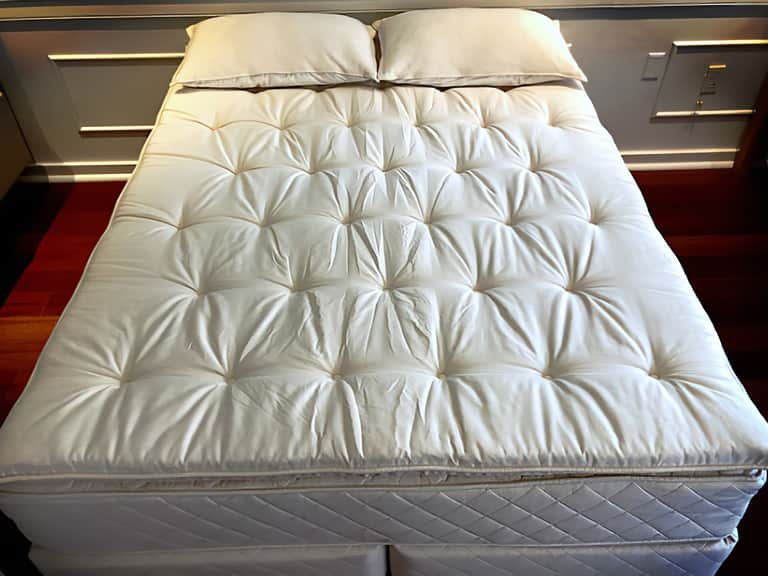
Wool also brings its own sensory character. It tends to feel warm, cushioned and softly textured, with a gentle resilience beneath the sheet. The exact effect depends on the amount of wool, the pad’s construction and how it attaches to the mattress. A well-chosen pad can make a bed feel more composed without disguising the mattress itself.
How wool handles moisture
Wool fibers can take up water vapor and then release it into the surrounding air as the environment dries. This moisture exchange can help reduce the clammy sensation associated with damp bedding. Wool’s crimped structure also traps air, contributing to insulation and a breathable feel. These qualities make it a familiar material in bedding designed for temperature and moisture comfort.
Breathability should not be mistaken for unlimited absorbency. A wool pad can hold some moisture within its fibers, but its capacity is finite. If liquid reaches the mattress in significant volume, or if the pad remains wet without an opportunity to dry, the mattress may still be affected. Wool is a useful buffer, not a guarantee against water damage.
The term water-resistant is therefore more accurate than waterproof for many wool moisture pads. Water resistance describes a degree of protection under particular conditions; it does not promise that liquid cannot pass through. For anyone comparing bedding, this difference is worth checking in the product description rather than inferring from the word “moisture.”
Performance also depends on the full assembly. Wool type and density, quilting or other construction, the fabric surrounding the fill, and the fit on the bed all influence how the pad behaves. A loose, shifting pad may leave areas exposed. A pad that is consistently damp may struggle to dry. Even excellent materials cannot compensate for a mismatch between the product and the household’s practical needs.
The Obasan wool moisture pad as a reference point
The Obasan Organic Wool Moisture Pad Protector provides a useful example of the category. Its description identifies organic wool as the principal material and describes the pad as water-resistant. Elastic straps hold it on the mattress, while the listed care instructions call for airing as needed, gentle hand washing or a cold-water gentle machine cycle, and indoor air drying.
Those details illustrate the balance at the heart of wool bedding. The pad is intended to add a protective layer and make use of wool’s natural qualities, but its care routine is deliberately gentler than that of many washable cotton protectors. It is not a simple, high-heat, frequent-wash textile. Its usefulness depends in part on handling it with care and allowing it to dry fully.
The product information also describes the wool as GOTS-certified organic and sourced from Argentina. Certification and sourcing statements can help readers assess materials and production claims, but the precise scope of any certification should always be verified from current documentation. A label can apply to particular materials or stages of production; it is not a substitute for understanding the item’s construction, performance or care requirements.
The pad’s elastic straps are another practical feature. Rather than relying on a deep fitted skirt, straps help secure the layer over the mattress. That makes it especially important to check mattress dimensions and the pad’s intended size before use. A secure fit can reduce bunching and movement, while an unsuitable size may leave corners exposed or create a ridged sleep surface.
Wool pad or waterproof protector?
A useful comparison begins with the kind of protection needed. A wool moisture pad prioritizes a natural, breathable layer with some capacity to manage moisture. A waterproof protector is designed to block liquid more directly, usually through a barrier layer. Each has a different purpose, and neither is automatically the right choice for every bed.
- Choose wool when: the priority is a breathable, naturally insulating layer and the likely exposure is light, occasional moisture rather than major spills.
- Consider a waterproof protector when: the bed needs a more dependable barrier against liquid, such as in a setting where spills or accidents are frequent.
- Compare care before deciding: a protector that can be washed and dried according to your routine may be more practical than one requiring careful air drying.
- Check the mattress and bed setup: depth, dimensions, adjustable-bed configuration and the way the layer attaches can all influence fit and comfort.
Some households may use layers, but combinations should be considered carefully. Adding a waterproof cover over a wool pad can change the feel and reduce the breathability of the sleep surface. It may also create extra bulk or make the layers shift. Follow the manufacturers’ instructions, ensure the mattress remains properly covered, and avoid arrangements that compromise a secure fit.
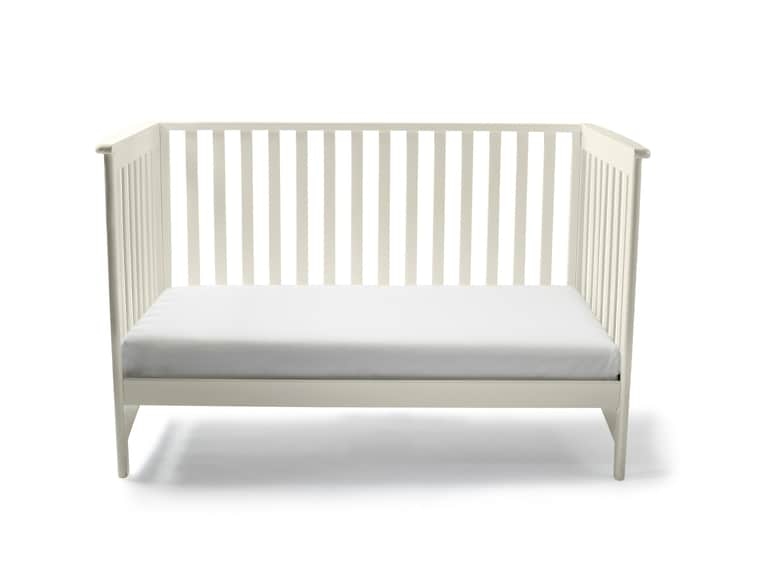
For a crib or another sleep surface with specific safety requirements, use only bedding intended for that setting and follow the relevant product and safety guidance. Adult bedding accessories should not be assumed suitable for an infant sleep environment. Fit and surface firmness can matter as much as material choice.
Fit is part of performance
Even a beautifully made pad is less useful if it shifts during the night. Before choosing, measure the mattress and compare those measurements with the product’s stated dimensions. Mattress height matters too: a deep mattress, pillow-top design or additional topper can affect how securely a pad sits. With a strap-style protector, confirm that the straps reach and hold the corners without pulling the pad out of position.
After fitting, smooth the pad across the sleeping surface and check for folds, raised seams or tension. A small amount of movement may be normal, but persistent bunching can disturb comfort and leave parts of the mattress less protected. Recheck the fit after laundering, since natural fibers can change shape or dimensions depending on the wash and drying method.
For adjustable beds, consider what happens as the base changes position. A layer that is secure on a flat bed may migrate when the mattress bends. Check that straps remain in place through the positions used most often, and inspect the pad periodically for loosened elastic or wear. The aim is a smooth, stable surface that moves with the bed rather than fighting it.
It is also worth thinking about the sheet. A wool pad adds a layer beneath it, and the combined thickness may affect how fitted sheets sit. A sheet that is too shallow can pull at the corners or loosen during the night. When changing a bedding system, assess the mattress, pad and sheet together rather than treating each component in isolation.
Wool care: air, clean, dry
Care is where wool’s natural appeal meets its practical demands. A wool moisture pad generally benefits from airing, which allows moisture and everyday odors to dissipate. Follow the specific instructions supplied with the product; for the Obasan pad, the stated guidance is to air it outside as needed. Choose a dry, well-ventilated setting and avoid leaving wool exposed to prolonged harsh sun or damp weather.
When cleaning is necessary, use the gentlest method allowed by the label. The Obasan care directions permit hand washing in cold tap water or a cold, gentle machine cycle, followed by hanging indoors to dry. That is not a universal rule for every wool pad: some products may be spot-clean only, and others may have different limitations. Always defer to the care label for the particular item.
Wool is vulnerable to rough agitation, high heat and unsuitable detergents. Avoid bleach, strong chemical treatments and fabric softener unless the manufacturer explicitly permits them. Do not wring or twist the pad aggressively, as this can stress the fibers and distort its shape. If machine washing is allowed, use a gentle cycle and keep the load free of heavy items that may press or abrade the wool.
Drying deserves special attention. A pad can feel dry on the surface while retaining moisture within its fill. Let it dry completely in a well-ventilated indoor area, supporting it evenly where possible. Do not return a damp pad to the bed; trapped moisture can create an unpleasant odor and may affect both the pad and mattress. The product’s instructions should determine whether hanging, laying flat or another method is appropriate.
For everyday upkeep, a washable mattress cover or fitted sheet above the pad can take on much of the routine soil. Promptly address small spills by blotting rather than rubbing, then allow the affected area to dry thoroughly. Avoid saturating wool in an attempt to clean it. A cautious approach usually preserves the pad’s texture and helps it remain useful over time.
Organic claims and material transparency
“Organic” can describe a raw material, a finished textile or a certified process, depending on the product and the claim being made. For bedding, look for clear information about the wool, cover fabric, processing and certification. If a product names a standard such as GOTS, review what that standard covers and whether the certification applies to the relevant components. This is a more reliable approach than treating a broad environmental phrase as proof of every attribute a shopper might value.
Material transparency is also useful when sensitivities or preferences influence the choice. Ask whether the pad includes a separate backing, a membrane, dyes or other components that may affect its feel and care. A wool pad’s natural-fiber description does not necessarily reveal every element in its construction. Complete product specifications and current certification records can help fill in those gaps.
Organic sourcing may matter for environmental or personal reasons, but it does not by itself establish that a product will improve sleep, prevent allergies or provide a particular health outcome. The most defensible claims are specific: what the material is, how it is certified, what the construction does, and how the item should be maintained. Sensible expectations are part of a genuinely informed bedding choice.
A considered checklist before choosing
Before bringing a wool moisture pad into your bedding routine, take a moment to consider the everyday realities of the bed. The following questions help distinguish a good material match from a merely appealing description.
- What kind of moisture protection is actually needed: light buffering or a reliable liquid barrier?
- Are the pad’s measurements compatible with the mattress, including its height?
- Does the attachment method—elastic straps, fitted edges or another design—suit the bed and how it is used?
- Can the care requirements be followed at home, particularly the instructions for washing and drying?
- Are the material and certification claims clear enough to evaluate?
- Will the added layer work comfortably with the sheets and any topper already in use?
- Is the pad intended for the specific bed type, especially if the sleep surface is a crib or adjustable bed?
The considered case for wool
A wool moisture pad can bring a particular kind of ease to a bed: a breathable layer, a little added warmth and a natural way to buffer everyday moisture. Its value lies not in imitating a waterproof protector, but in offering a different balance of comfort and protection. For sleepers who prefer natural fibers and do not need a full liquid barrier, that distinction may be precisely the point.
Obasan’s wool pad makes the trade-offs concrete. Its elastic straps address fit; its water-resistant design sets a more modest expectation than waterproofing; and its careful washing and drying instructions make maintenance part of the decision. The right choice is the one that fits the mattress, the household’s moisture needs and the care routine—not simply the one with the most appealing material story.
In the end, bedding works best when its layers have clear roles. A wool moisture pad can provide breathable, gentle protection, while a waterproof protector is better suited to situations demanding a stronger spill barrier. Knowing the difference turns a small bedding decision into a more thoughtful one: comfort without overpromising, protection without overlooking the pleasures of a well-made natural textile.