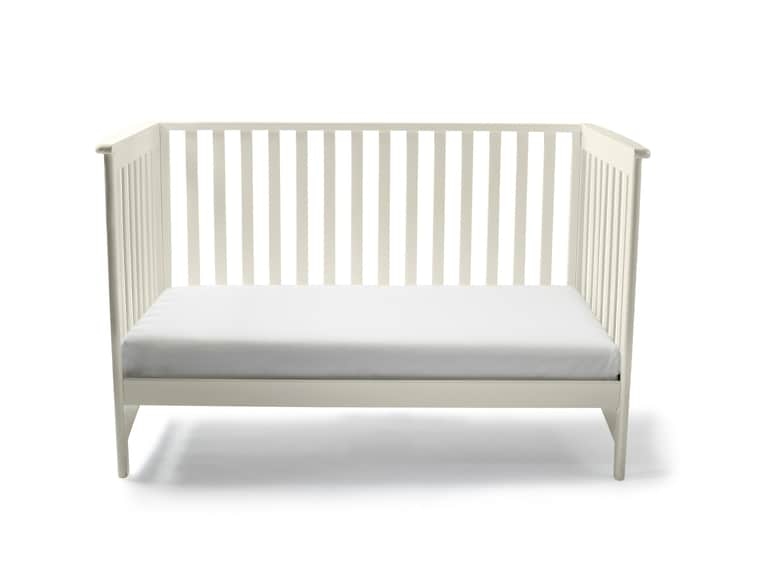
Naturepedic Lightweight Organic Cotton Crib Mattress

Comparing Organic Crib Mattresses: GOTS, GOLS, and OEKO-TEX Certifications

A Vogue-worthy exploration of labels, ethics, and infant sleep safety. We sift through the most trusted standards to help discerning parents and caregivers read the fine print on crib mattresses. From GOTS to OEKO-TEX, discover how certifications shape durability, chemical exposure, and environmental impact—the essential language of healthy sleep for the tiniest dreamers.

Why certifications matter for crib mattresses

Infant sleep is sacred, and the materials surrounding a baby’s skin deserve meticulous scrutiny. Certifications function as a trusted shorthand for safety, chemistry, and sustainability. They help parents distinguish between claims, myths, and verifiable standards. When you see GOTS, GOLS, or OEKO-TEX on a crib mattress label, you’re reading a map of supply chains, testing protocols, and ethical commitments.

In a world of endless product claims, certifications provide objectivity and accountability. They address not only chemical content but also manufacturing processes, worker welfare, and environmental responsibility. The result is a mattress that not only comforts a baby but aligns with a family’s values—transparency, safety, and environmental mindfulness.

A quick guide to the major standards

  • GOTS (Global Organic Textile Standard): The gold standard for organic textiles. For crib mattresses, GOTS covers organic fiber content, bans harmful chemicals, and requires environmental and social criteria across the supply chain. A GOTS-certified mattress typically features organic cotton or other organic fibers and stringent processing standards, from fiber to finish.
  • GOLS (Global Organic Latex Standard): Focused on organic latex products. When a crib mattress carries GOLS, you’re looking at Dunlop orTalalay latex that has met strict organic content requirements, with attention to the farming and processing of latex, as well as non-toxic manufacturing practices.
  • OEKO-TEX: A family of testings and labels (including STANDARD 100 and STeP certification) that evaluate textile safety for harmful substances. OEKO-TEX-certified crib mattresses emphasize low chemical risk in fabrics and components, even if the mattress may not be fully organic. It’s a mark of chemical safety across the product’s textiles.

Certification deep-dive: what to look for on labels

Labels tell a story beyond marketing. Look for the certifying body's logo, scope of certification (fiber content, core materials, processing steps), and the validity date. For crib mattresses, focus on whether the certification applies to the core mattress, the fabric cover, the waterproof layer, and any flame-retardant systems. When a label clearly lists organic cotton or organic latex within scope, you’re in a space where chemical exposure risks are minimized during baby sleep.

  • Clear certification name (GOTS, GOLS, OEKO-TEX) visible on the product sheet.
  • Scope of certification: materials, processing, and supply chain coverage.
  • Dates of certification and any recertification requirements.
  • Consistency between label claims and product sheets (avoid mismatched statements).

A practical test drive

When comparing options, consider brands like Naturepedic and Obasan, whose crib mattresses frequently highlight organic materials and robust certifications. The goal is to identify a mattress that is not only safe for an infant but durable enough to accompany growth, ideally transitioning from baby to toddler without compromising on the organic standards you value.

Three standout crib mattresses in the wild—and their certifications

Naturepedic Lightweight Organic Cotton Crib Mattress

A featherweight champion with heavy-duty safety credentials

The Naturepedic Lightweight Organic Cotton Crib Mattress is crafted to be firm, seamless, and easy to clean. Its core materials avoid harmful chemicals, and the waterproof surface is designed for quick cleanup, reducing moisture buildup that can harbor mold. Certification-wise, this line routinely emphasizes GOTS-certified cotton, with attention to flame retardant safety that relies on natural barriers rather than chemical additives.

Approximate price: $279.00

Product highlights: lightweight design, waterproof surface, seamless construction, easy cleaning, USA-sourced safety standards.
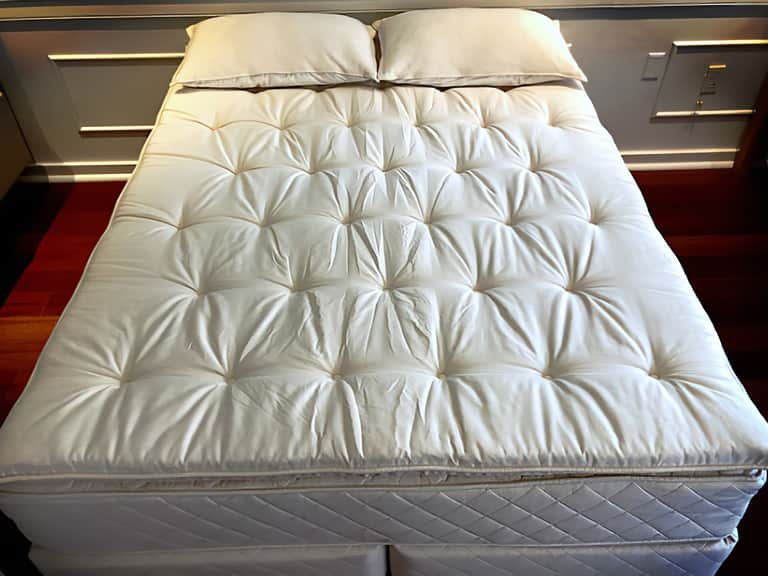
Naturepedic Organic Latex Pillow / Practical crib mattress twin

Not a crib mattress, but illustrative of latex and organic content conventions used in baby products

In crib contexts, natural latex often appears with GOTS or OEKO-TEX compatible coverings and safety disclosures. This example highlights how organic latex and breathable fabric layers can be used with infant safety in mind, aligning with GOTS and OEKO-TEX expectations for low chemical risk and durable construction.

Note: For crib applications, always verify the presence of certified organic fiber content and the absence of toxic flame retardants.

Three key individuals from different time periods who shaped organic sleeping culture

From early advocates of natural materials to modern health researchers, these figures illuminate the evolving conversation around safe, sustainable sleep environments.

  • Marquis de Sade (1740s–1810s) — Not a sleep scientist, but an early influencer of comfort and the psychology of restful repose in aristocratic interiors. His era popularized the idea that luxury and wellness can coexist in intimate spaces, setting a cultural stage for later critiques of upholstery and material safety.
  • Dr. Samuel G. Morton (1799–1851) — A physician who advanced our understanding of safe, supportive bedding through early ergonomics and skeletal health. Morton's era contributions laid groundwork for postural support considerations in sleep environments, inspiring more precise mattress design decades later.
  • Dr. Allan H. Phillips (1930s–1990s) — A sleep researcher whose work on chemical exposures in indoor environments helped pave the way for modern eco-conscious bedding discussions. His studies encouraged manufacturers to examine materials for off-gassing and long-term health impacts, catalyzing the shift toward natural fibers and certifications.

Contemporary voices shaping the certification conversation

Today, experts—safety scientists, textile chemists, and environmental advocates—continue the dialogue around infant sleep safety and sustainable manufacturing. By engaging with these perspectives, families gain clarity on what certifications truly mean, how to verify them, and why these standards matter for the cradle-to-cradle lifecycle of a crib mattress.

How to verify claims when comparing crib mattresses

When you’re choosing a crib mattress for a newborn, the label is your first conversation partner. Here are practical steps to verify certification claims and ensure you’re selecting a product aligned with safety and sustainability goals:

  • Check the official certifier logos on the product page or label. A label that copies visuals without the accompanying documentation should raise questions.
  • Cross-reference the fiber content with the certifier scope. A GOTS label should be accompanied by fiber content details that reflect organic content and processing standards.
  • Read the product sheet for testing details. Look for dates, testing standards (e.g., flammability, chemical safety), and scope of the certification.
  • Inspect the waterproofing layer and flame protection strategy. In many certified products, flame protection is achieved through natural barriers rather than chemical additives.
  • Ask about supply chain transparency. Brands with robust policies publish sourcing information and third-party audit results.

A Vogue-leaning buying guide at a glance

For families seeking both style and safety, the crib mattress becomes a statement of values. The right product blends aesthetic calm, tactile comfort, and rigorous certification. The language of certifications is not merely technical; it’s a commitment to health, longevity, and a cleaner planet for future generations.

What to prioritize

  • Core materials: organic cotton, natural latex, or wool with transparent sourcing.
  • Certification scope and date validity.
  • Waterproofing method and fire safety design.
  • Durability and ease of cleaning for long-term use.

Practical steps

  1. List your must-haves (organic content, no off-gassing, flame safety without harsh chemicals).
  2. Review the manufacturer’s certification statements and third-party audit reports.
  3. Compare two to three options to assess trade-offs between price, weight, and certification depth.
  4. Ask about warranties and recertification requirements over the mattress’s life cycle.

Product spotlight: Naturepedic Lightweight Organic Cotton Crib Mattress

The Naturepedic Lightweight Organic Cotton Crib Mattress is designed for quick changes and clean stays, with a waterproof surface and seamless construction. It’s built for durability without compromising on the purity of materials—an essential balance for families prioritizing organic content and infant safety. The mattress weighs under 12 pounds, making it easy to handle during late-night diaper changes without sacrificing firmness or safety.

The fabric and core emphasize GOTS-certified organic cotton and a non-toxic fire protection system designed to meet federal safety standards without using harsh chemicals. This mattress demonstrates how brands can combine practical usability with rigorous organic credentials, a balance that Vogue readers appreciate for their homes and families.

Key specifications

  • Weight: under 12 lbs
  • Waterproof surface; seamless construction
  • GOTS-certified organic cotton cover
  • Non-toxic fire protection system
  • Classic crib dimensions: fit standard cribs

Certifications in context: why they endure

GOTS, GOLS, and OEKO-TEX endure because they respond to real-world concerns: exposure to chemicals, worker welfare, environmental stewardship, and lifecycle impact. For parents, these standards translate into measurable assurances: fewer volatile organic compounds, reduced allergen exposure, and a transparent supply chain that can be traced from field to finished product.

Label literacy

When you flip a crib mattress label, you should be met with clear, verifiable information. Look for the certifier’s seal, the material breakdown, the scope of the certification (core vs. outer fabrics), and the certification’s expiration date. This clarity protects both infants and families, turning a product choice into a responsible lifestyle decision.

Closing thoughts: a modern, elegant approach to infant sleep safety

In the era of informed parenting, the crib mattress becomes more than a sleeping surface—it’s a statement about health, design, and conscience. By prioritizing certifications, families can ensure that their baby’s first bedroom is a sanctuary of purity and care. The conversation around GOTS, GOLS, and OEKO-TEX is not merely bureaucratic; it’s a daily ritual of choosing materials and methods that honor both science and style.

Key takeaways

  • GOTS ensures organic fiber content and eco-friendly processing.
  • GOLS validates organic latex materials and related manufacturing.
  • OEKO-TEX confirms chemical safety across textiles, even if not fully organic.
  • Always verify scope, dates, and third-party audit availability.

Further reading and resources

For parents and caregivers who crave depth, here are avenues to explore certifications and credible research in organic bedding:

  • Certifying bodies: GOTS, GOLS, OEKO-TEX official websites and resources.
  • Independent safety reviews and consumer protection advisories regarding baby sleep products.
  • Academic studies on chemical exposure and infant health in sleep environments.

A call to action

Are you ready to embark on a certified, conscientious crib mattress journey? Start by checking the certifications on candidates like Naturepedic’s crib mattress lines, and compare against other brands with transparent labeling. Your baby’s first dreams deserve a surface that is safe, breathable, and beautifully formed by the hands of brands that value purity and accountability.

© 2026 Organic Mattress Info. All rights reserved. This article is intended for educational purposes and illustrates how certification claims translate into consumer choices. Always consult product documentation and official certifier records for the most up-to-date information.

Related Products

Naturepedic Lightweight Organic Cotton Crib Mattress

Naturepedic · No. NLOCCM

Naturepedic Lightweight Organic Cotton Crib Mattress

Sleep safer and easier with this lightweight, waterproof, seamless crib mattress. Pure organic cotton, non-toxic fire barrier, no wool or latex, and lasting support for baby and toddler. Easy cleanups, healthier nights, longer use.
Naturally Organic Hudson Luxe Latex Mattress

Naturally Organic · No. NO-HUDS-LUXE

Naturally Organic Hudson Luxe Latex Mattress

Sleep cooler and cradled night after night with organic latex, wool, and cotton—plus a plush topper for enveloping comfort. Firm support, breathable materials, 20-year warranty, and effortless care in a truly natural, toxin-free bed.
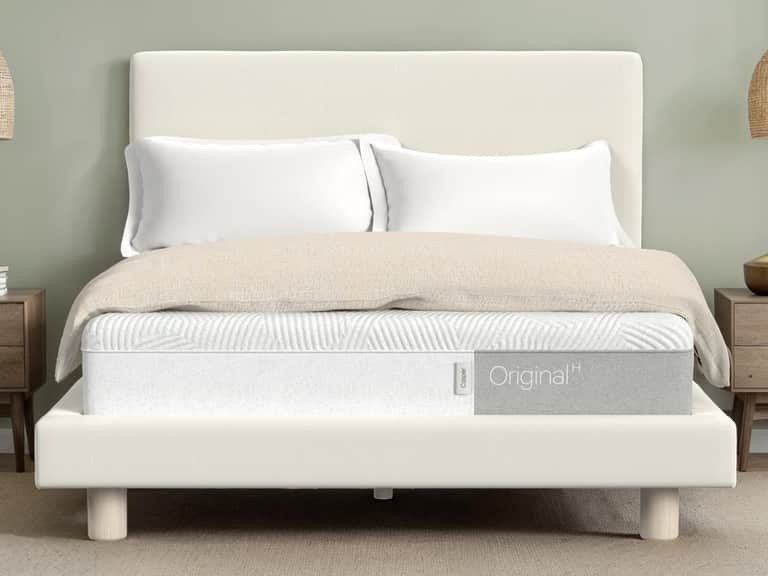
Original Hybrid Mattress

Casper

Original Hybrid Mattress

Experience cooler, deeper sleep with zoned support that aligns your spine and eases pressure. Hybrid foam and springs adapt to you for lasting comfort, while airflow keeps you cozy throughout the night.

Theme