Latex is a natural material valued for its buoyant support and responsive feel, making it a popular choice for bedding and pillows. In organic contexts, latex is often sourced from sustainably managed rubber trees and processed to retain porosity and durability. This material can enhance spinal alignment while maintaining a breathable, temperature-regulated sleep surface with minimal motion transfer.
Organic latex products, including mattresses and pillows, emphasize chemical-free production and durable structure. The distinctive pin-core or reticulated cell designs contribute to ventilation, reducing heat buildup. When selecting latex options, consider firmness level, density, and whether the latex is Dunlop or Talalay processed, as these factors influence comfort and longevity.
Within bedding ecosystems, latex is commonly paired with organic crib mattresses and pillow forms to support healthy sleep environments. The Natural properties of latex help resist dust mites and mold growth when properly encased and maintained. For sleepers seeking consistent support, latex beds offer zoning potential and long-term shape retention compared to some synthetic foams.
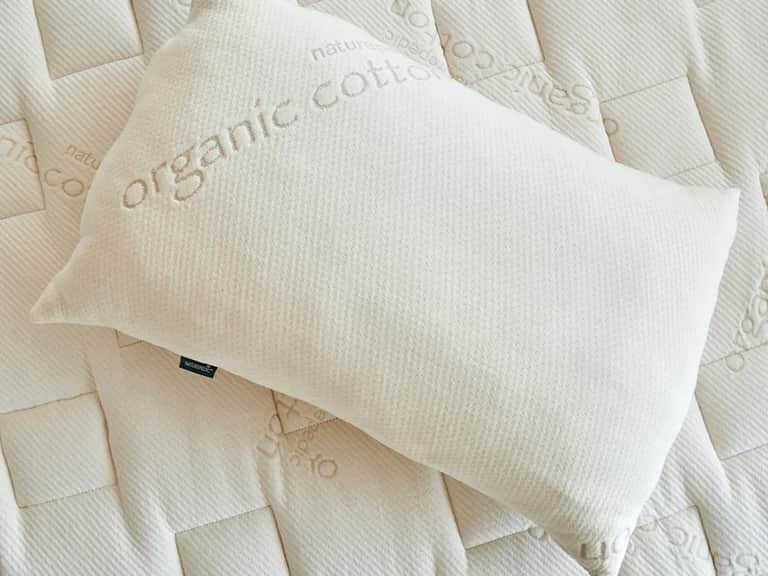
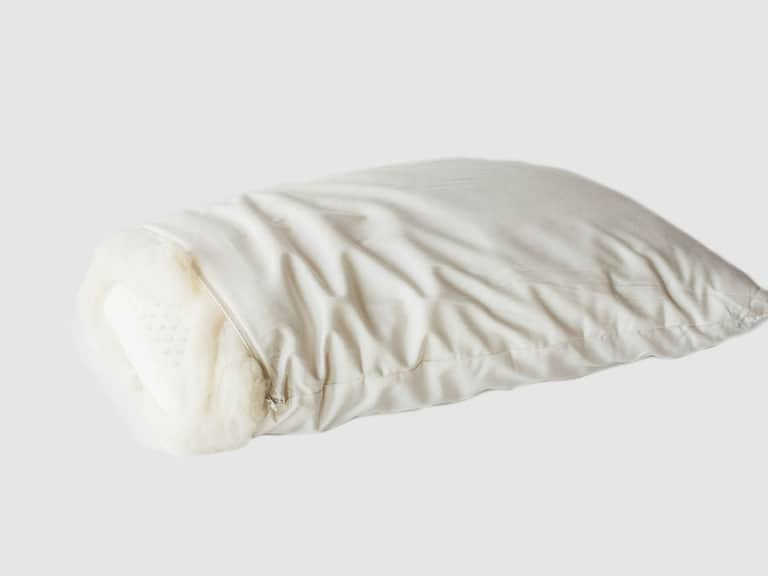
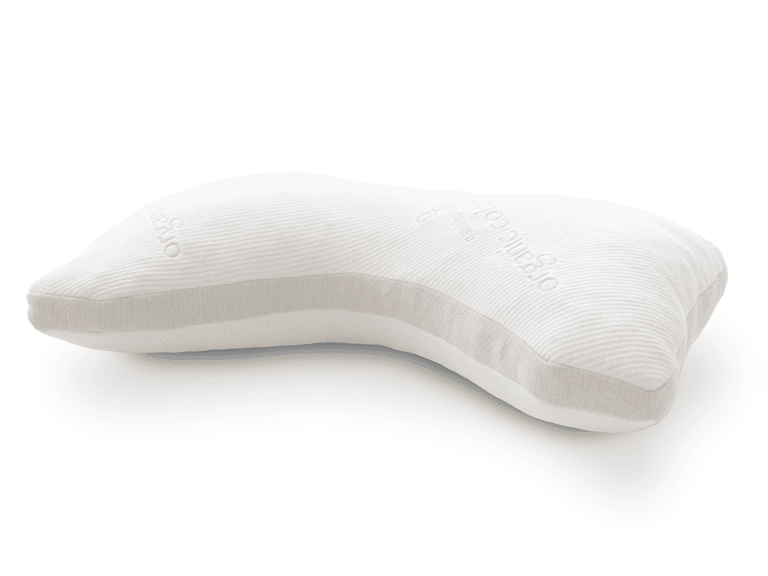
For example, Naturepedic Solid Organic Latex Pillow showcases features such as natural latex core, breathable knit cover, and chemical-free materials. The pillow offers pronounced neck support, adaptive resilience, and hypoallergenic benefits, contributing to an awake-restful cycle. Such products illustrate how latex can combine comfort with responsible sourcing and care.
Understanding latex within the broader category of bedding—including sheets, pillow forms, and organic mattresses—highlights its role in clinical comfort and everyday usability. Key considerations include breathability, body contouring, and environmentally conscious production. Meta keywords like bedding, pillows, sheets, organic mattresses, and organic crib mattresses reflect these interconnected needs.
 Bedding